
I recently read about
John Galsworthy's life; rather than trawling through his epic
Forsyte Saga which I remember being on British Telly when I was a child, mixing it up with the almost interchangeable (and the interminable?)
"The Flambards" by K M Peyton,
and god, lest I forget , the class obsessed
"Upstairs, Downstairs" because they all had that period-drama ethic, the result made me weary -either that or wary- of the genre. It made these all these
roughly coinciding Edwardian-era melodramas one long, big turn-off to me (well, I
was a typical boy, please bear with me)....
I was generally
so bored (is that the start of
disgust?) that there was little focus on the catclysms of
World War One if it ever did, it was fleetingly so, as described by
The War Poets like Rupert Brooks and Wilfred Owen and a Comic magazine of the 70-80's
(no, not that sort of comic[!], to borrow a crap running-joke from "Hotel New Hampshire") mainly of
writer Pat Mills' and
artist Joe Colquhoun's work for what I knew as
'Battle Action!', mainly because of the deeply touching
Charley's War:

I think it is important to remember that the early-fascistic Art movement called
Futurism was contemporary with Galsworthy's; the era couldn't be expressed more differently by the fetishistic exhilaration and addiction to
'Speed', the
'Fusing' of Man and Machine, and faux-revolutionary '
Iconoclasm' to the world of Forsyte.
Nowadays, the futurists are 'fondly remembered' for their 'eccentricities', what is forgotten is quite how awful the consequences, for instance, was what they were proposing really so dissimilar to a draft for the actual
Nazi bombing of Guernica just a few years later? And then there's the closely related Modernist/Anti-Semitism of
Wyndham Lewis and
T S Eliot.
It is a relief to see that John Galsworthy didn't bury his head in the sand - unlike the originally patronising
picture that I had as a youth of my elders:
He founded
International PEN with Joseph Conrad, George Bernard Shaw, and HG Wells, to lobby for writers under threat of imprisonment,
Orhan Pamuk is a recent case.
Now I'm much more tolerant of 'period dramas': rather than 'charmed' by the quaintness, the writing is just as
relevant as it was — it astonishes me how the pressures applied by others on an individual are so damnably the same as now. How clearly this was percieved all the way
back then is so impressive to me. The protagonists have become metaphors to us in the 21st century, yet the relevance is somehow constrained again, this time in an
"Empire line frock".
But they always were.

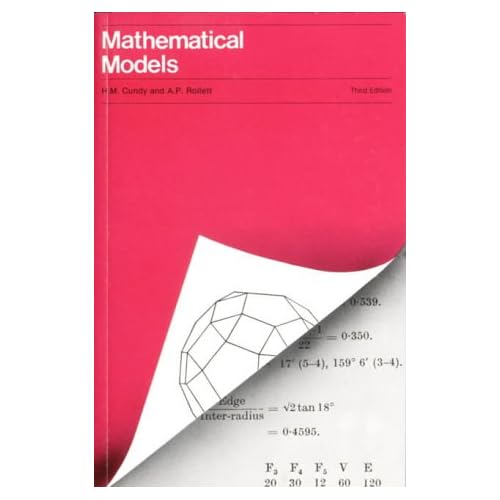
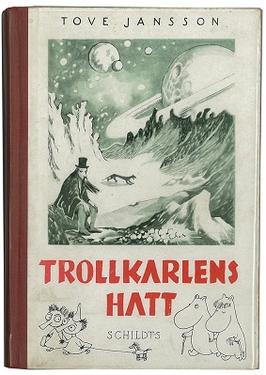


 This my version of Ikebana . . . . Happy Birthday to me . . . . Happy Birthday to me (tomorrow)!

